- Buy now
- Promotions
- Pet food
- Pet care
- Company
- The Company
- Why Farmina?
- Farmina Scientific Research
- Farmina Trainer Club
- Farmina Shelter Progam
- Farmina Breeder Club
- Farmina Groomer Club
- Farmina Vet Club
- Technology and Controls
- Farmina Genius Support
- Behind our Natural choice
- The Raw Materials
- Farmina Satisfaction Guarantee
- Cruelty Free Research
- i 5 parametri della salute
- Farmina Vet Life Wet Food
- Natural & Delicious
- Natural & Delicious Grain Free Wet Food
- VetLife - Nutrition Consultancy
- Natural & Delicious wet food
- Natural & Delicious wet food
- N&D Quinoa canine Neutered formulas
- Your nutritional company
- Farmina Genius Rewards
- Privacy policy
- Vetlife Bites
- Farmina Genius Club
- Farmina Genius Center Club
- Buy now
- Promotions
- Pet food
- Pet care
- Company
- The Company
- Why Farmina?
- Farmina Scientific Research
- Farmina Trainer Club
- Farmina Shelter Progam
- Farmina Breeder Club
- Farmina Groomer Club
- Farmina Vet Club
- Technology and Controls
- Farmina Genius Support
- Behind our Natural choice
- The Raw Materials
- Farmina Satisfaction Guarantee
- Cruelty Free Research
- i 5 parametri della salute
- Farmina Vet Life Wet Food
- Natural & Delicious
- Natural & Delicious Grain Free Wet Food
- VetLife - Nutrition Consultancy
- Natural & Delicious wet food
- Natural & Delicious wet food
- N&D Quinoa canine Neutered formulas
- Your nutritional company
- Farmina Genius Rewards
- Privacy policy
- Vetlife Bites
- Farmina Genius Club
- Farmina Genius Center Club
- my account
- Cart
Genius AI
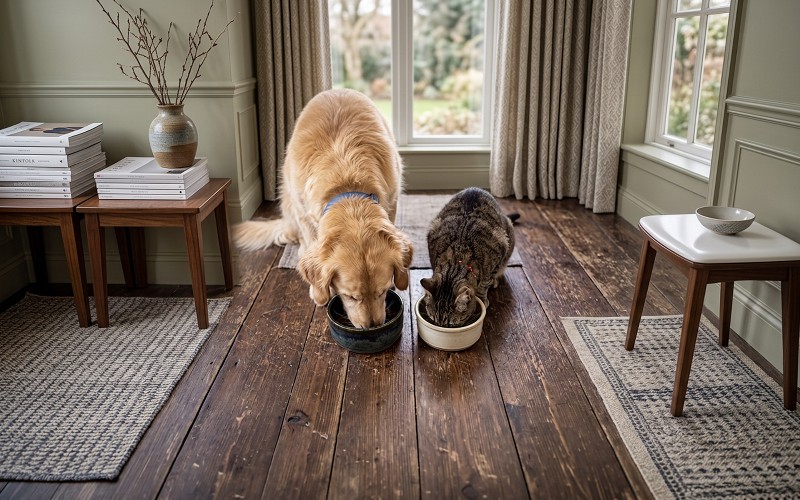
Palatability Is Not the Same as Nutritional Quality
It's important not to confuse a food your pet loves with a food that meets all of their nutritional needs. Food can be highly palatable without necessarily being the most appropriate nutritional choice for your pet. The ideal diet needs to provide the nutrients your pet needs in the right balance, while also being sufficiently appealing for them to eat consistently.What's Palatability?
Palatability describes how appealing a food is to your pet, shaped by a combination of sensory characteristics. A palatable recipe encourages your pet to approach their bowl, enjoy their meal, and maintain a regular feeding routine.
Why is it important?
Palatability and nutritional quality need to work together: even the most carefully balanced formula only delivers its benefits if your pet actually eats it. This becomes especially important for therapeutic diets, alternative-protein products, or recipes that depart from your pet's naturally preferred profile, where consistent intake matters just as much as the formulation itself.
Day to day, palatability is often your clearest signal that a food choice is working. But it's worth keeping in mind that you and your pet are looking for different things: you're likely drawn to a food's, quality, and ingredients, while your pet responds to smell, taste, and texture. A food that satisfies both is what turns a purchase into a lasting, trusted routine, something that matters even more during a diet transition, as your pet gets older, or with a therapeutic diet prescribed by your veterinarian.
Not a picky eater? That doesn’t mean all food is right for your pet
The reverse is worth keeping in mind too: if your pet happily eats whatever you put in front of them, it doesn't automatically mean any food will do. Easy acceptance tells you about palatability, not about nutritional adequacy: a highly palatable food can still be poorly suited to your pet's life stage, health status, or specific needs. An easy eater simply won't give you the same early warning that a fussier pet might. So, it's worth asking two separate questions: will my pet eat this, and is this the right food for my pet?
What makes pet food palatable?
There isn't one single ingredient that makes food palatable. Palatability is first and foremost influenced by formulation, which brings together different elements to create a food that appeals to dogs and cats.
The smell and texture of a food are the result of the quality of its ingredients, including its protein and fat sources, moisture content and the way these ingredients are processed and cooked. For texture, the size and shape of the kibble also play an important role.
At Farmina, palatability starts with careful and purposeful formulation. We then select high-quality raw materials and use production processes designed to preserve their quality and natural characteristics. The result is a high-quality food designed to be naturally appealing to dogs and cats.
But does that mean every Farmina food is equally appealing to every pet? And how can you know which one your pet will prefer?
Join the Farmina Genius Club to get personalized lifetime assistance and a tailored nutritional plan.
Gift your pet a diet they’ll truly love!