- Buy now
- Promotions
- Pet food
- Pet care
- Company
- The Company
- Why Farmina?
- Farmina Scientific Research
- Farmina Trainer Club
- Farmina Shelter Progam
- Farmina Breeder Club
- Farmina Groomer Club
- Farmina Vet Club
- Technology and Controls
- Farmina Genius Support
- Behind our Natural choice
- The Raw Materials
- Farmina Satisfaction Guarantee
- Cruelty Free Research
- i 5 parametri della salute
- Farmina Vet Life Wet Food
- Natural & Delicious
- Natural & Delicious Grain Free Wet Food
- VetLife - Nutrition Consultancy
- Natural & Delicious wet food
- Natural & Delicious wet food
- N&D Quinoa canine Neutered formulas
- Your nutritional company
- Farmina Genius Rewards
- Privacy policy
- Vetlife Bites
- Farmina Genius Club
- Farmina Genius Center Club
- Buy now
- Promotions
- Pet food
- Pet care
- Company
- The Company
- Why Farmina?
- Farmina Scientific Research
- Farmina Trainer Club
- Farmina Shelter Progam
- Farmina Breeder Club
- Farmina Groomer Club
- Farmina Vet Club
- Technology and Controls
- Farmina Genius Support
- Behind our Natural choice
- The Raw Materials
- Farmina Satisfaction Guarantee
- Cruelty Free Research
- i 5 parametri della salute
- Farmina Vet Life Wet Food
- Natural & Delicious
- Natural & Delicious Grain Free Wet Food
- VetLife - Nutrition Consultancy
- Natural & Delicious wet food
- Natural & Delicious wet food
- N&D Quinoa canine Neutered formulas
- Your nutritional company
- Farmina Genius Rewards
- Privacy policy
- Vetlife Bites
- Farmina Genius Club
- Farmina Genius Center Club
- my account
- Cart
Genius AI
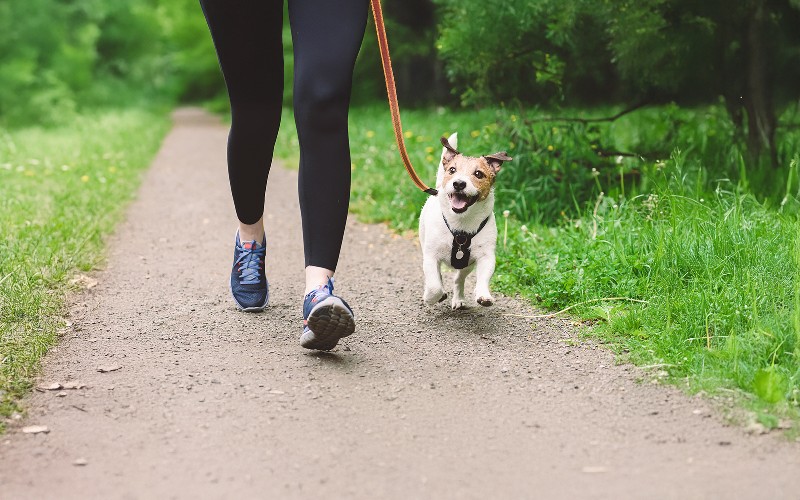
How Much Exercise Does Your Dog Need Every Day?
Every dog is unique. Their ideal level of daily activity depends on several factors, including age, size, breed, health, lifestyle and, of course, their individual needs.What all dogs have in common is the importance of regular physical activity. Exercise gives them opportunities to move, explore their environment, use their senses and interact with the world around them.
How can you understand how much exercise your dog needs?
As a general guideline, small dogs may need around 1-2 hours of exercise per day, while larger breeds may need around 2-3 hours. However, these are only suggestions, not strict rules. Exercise needs can vary considerably from one dog to another.
A young, energetic dog with an active lifestyle may enjoy long walks, running, hiking or other more demanding activities. Another dog may be better suited to shorter walks and gentler forms of movement.
Rather than focusing only on a specific number of minutes or kilometres, pay attention to how your dog responds to exercise. Their energy levels, behaviour and ability to recover can help you understand whether their routine is appropriate for them.
Remember, providing your dog with the right amount of daily exercise is essential for a healthy and balanced life. Many unwanted behaviours are caused by boredom and insufficient exercise.
Make every walk meet your dog’s needs
Exercise isn't only about how far or how fast your dog walks. Dogs experience the world through their senses, and everyday walks give them opportunities to explore, investigate and interact with their surroundings.
Sniffing, for example, is a natural and important behaviour. Giving your dog time to stop and investigate different scents can make a familiar walk more engaging, even if you're not covering a long distance.
Another key element of a fulfilling walk is freedom. Whenever it is safe to do so, dogs should have the opportunity to move freely, explore at their own pace, follow scents and run. Giving dogs the freedom to express these natural behaviours can make walks more rewarding and enriching. You can also add variety by changing your walking routes, exploring different environments or incorporating age- and ability-appropriate games and activities.
Don’t forget about rest!
An active routine also needs to include time for rest and recovery. Just as exercise requirements vary from dog to dog, so do their rest needs. Puppies and younger dogs may need plenty of sleep as they grow and develop, while older dogs or dogs with changing physical abilities may benefit from shorter periods of activity and more frequent breaks.
Pay attention to your dog's individual signals and give them enough time to recover between activities. If you notice a sudden change in their willingness or ability to exercise, speak with your veterinarian, as changes in activity levels can sometimes indicate that something needs attention.
Exercise and nutrition go hand in hand
Your dog's activity level is something to consider when thinking about their nutritional needs. Exercise and nutrition work together as part of a balanced approach to their wellbeing.
A Farmina Nutritional Plan takes into account your dog's individual characteristics and lifestyle, including their level of activity, to help identify a nutritional plan suited to their specific needs. Ultimately, there is no single exercise routine that is right for every dog. By considering general guidelines alongside your dog's individual needs, behaviour and preferences, you can help make daily activity a positive and enjoyable part of their life.