- Buy now
- Promotions
- Pet food
- Pet care
- Company
- The Company
- Why Farmina?
- Farmina Scientific Research
- Farmina Trainer Club
- Farmina Shelter Progam
- Farmina Breeder Club
- Farmina Groomer Club
- Farmina Vet Club
- Technology and Controls
- Farmina Genius Support
- Behind our Natural choice
- The Raw Materials
- Farmina Satisfaction Guarantee
- Cruelty Free Research
- i 5 parametri della salute
- Farmina Vet Life Wet Food
- Natural & Delicious
- Natural & Delicious Grain Free Wet Food
- VetLife - Nutrition Consultancy
- Natural & Delicious wet food
- Natural & Delicious wet food
- N&D Quinoa canine Neutered formulas
- Your nutritional company
- Farmina Genius Rewards
- Privacy policy
- Vetlife Bites
- Farmina Genius Club
- Farmina Genius Center Club
- Buy now
- Promotions
- Pet food
- Pet care
- Company
- The Company
- Why Farmina?
- Farmina Scientific Research
- Farmina Trainer Club
- Farmina Shelter Progam
- Farmina Breeder Club
- Farmina Groomer Club
- Farmina Vet Club
- Technology and Controls
- Farmina Genius Support
- Behind our Natural choice
- The Raw Materials
- Farmina Satisfaction Guarantee
- Cruelty Free Research
- i 5 parametri della salute
- Farmina Vet Life Wet Food
- Natural & Delicious
- Natural & Delicious Grain Free Wet Food
- VetLife - Nutrition Consultancy
- Natural & Delicious wet food
- Natural & Delicious wet food
- N&D Quinoa canine Neutered formulas
- Your nutritional company
- Farmina Genius Rewards
- Privacy policy
- Vetlife Bites
- Farmina Genius Club
- Farmina Genius Center Club
- my account
- Cart
Genius AI
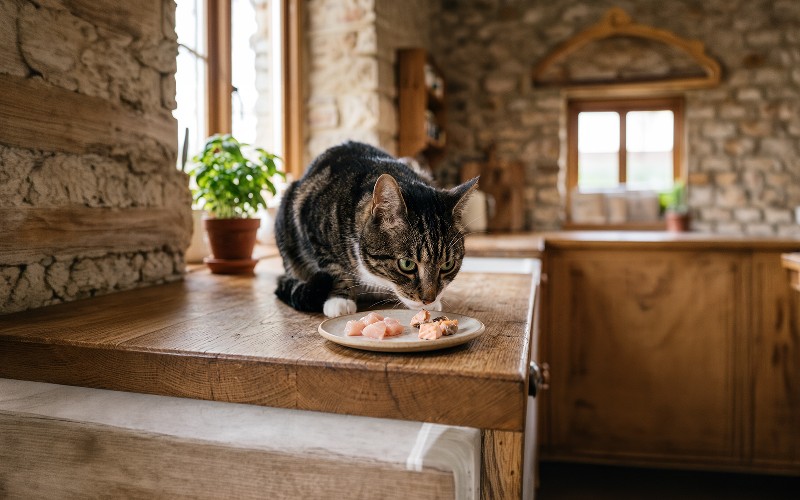
Why Is Your Cat Losing Interest in Food?
Cats are often described as “picky eaters,” but is this really the case?They may refuse certain foods, suddenly lose interest in a meal they previously enjoyed, or seem to prefer variety. While some of these behaviors are part of normal feline selectiveness, changes in appetite can sometimes indicate that something is different.
Let’s explore the reasons behind these eating behaviors.
Are Cats Really That Selective?
Some cats are naturally more adventurous with food, while others prefer familiar tastes and textures. What may look like “being fussy” is often a normal expression of feline behavior. A cat’s acceptance of a meal depends on several factors:
- Smell
- Texture
- Temperature and freshness
- Familiarity
- Past experiences
- Individual personality
- Daily routine and environment
Even cats with a good appetite may sometimes lose interest in a food they previously enjoyed. This can happen for several reasons, including:
- Environmental stress: changes in the surroundings or daily routine can affect appetite.
- Changes in the household: new people, pets, or other disruptions may influence eating behavior.
- Preference for different textures, aromas, or flavors: cats may simply become more interested in foods with different sensory characteristics.
- Underlying health issues: a reduced appetite can be an early sign of medical conditions. If your cat suddenly stops eating, their appetite remains reduced, or they show other symptoms, consult your veterinarian promptly.
A cat that is simply being selective about food is different from a cat that suddenly stops eating or loses interest in food altogether. A noticeable change in eating habits should be monitored, as reduced appetite can sometimes be linked to stress, discomfort, or health issues. If your cat stops eating completely, don't wait too long before seeking veterinary advice.
Cats are particularly sensitive to prolonged periods without food, and even just a couple of days of not eating can lead to serious health complications, such as hepatic lipidosis (fatty liver disease).
If your cat refuses food, shows other changes in behavior, or their loss of appetite persists, contact your veterinarian promptly to identify and treat the underlying cause.
Offer variety through mixed feeding
If your cat’s change in eating habits is related to food preference, offering more variety can help make mealtimes more engaging.
Mixed feeding combines wet and dry food to provide different textures, aromas, and feeding experiences. For many cats, this variety can make meals more engaging while supporting a balanced nutritional intake. Wet food also contributes to daily water intake thanks to its high moisture content, while dry food offers convenience and fits easily into daily feeding routines.
Add Creamy Treats to their routine
Creamy treats can be a delicious addition to any cat’s daily routine, offering a new texture and flavor experience that adds variety to mealtimes. Their smooth texture and appealing aroma make them enjoyable for cats, whether offered on their own, as a topper, or as a special moment of interaction between you and your cat. They can enrich a complete and balanced diet, helping make every feeding experience more engaging and rewarding.
When Introducing a New Food, Take It Slowly
If your cat loses interest in a food they previously enjoyed and a change in diet becomes necessary, it is important to make the transition gradually. Even a healthy and nutritionally complete recipe may require some adjustment time as cats become familiar with a different taste, smell, or texture.
A gradual transition helps your cat adapt to the new diet while reducing the risk of digestive upset.
Our experts recommend following a 10-day gradual transition plan:
- Days 1-3: 75% old food + 25% Farmina food
- Days 4-6: 50% old food + 50% Farmina food
- Days 7-9: 25% old food + 75% Farmina food
- Day 10: 100% Farmina food
Personalized Nutritional Support for Your Cat
Every cat has unique nutritional needs and preferences. If you are unsure which feeding approach is best for your cat, Farmina’s Nutritional Consultancy offers free, personalized guidance to help you choose the most suitable diet and feeding strategy. By understanding the reasons behind your cat’s food preferences, you can support healthier eating habits and create a more positive, stress-free mealtime experience.