- Buy now
- Promotions
- Pet food
- Pet care
- Company
- The Company
- Why Farmina?
- Farmina Scientific Research
- Farmina Trainer Club
- Farmina Shelter Progam
- Farmina Breeder Club
- Farmina Groomer Club
- Farmina Vet Club
- Technology and Controls
- Farmina Genius Support
- Behind our Natural choice
- The Raw Materials
- Farmina Satisfaction Guarantee
- Cruelty Free Research
- i 5 parametri della salute
- Farmina Vet Life Wet Food
- Natural & Delicious
- Natural & Delicious Grain Free Wet Food
- VetLife - Nutrition Consultancy
- Natural & Delicious wet food
- Natural & Delicious wet food
- N&D Quinoa canine Neutered formulas
- Your nutritional company
- Farmina Genius Rewards
- Privacy policy
- Vetlife Bites
- Farmina Genius Club
- Farmina Genius Center Club
- Buy now
- Promotions
- Pet food
- Pet care
- Company
- The Company
- Why Farmina?
- Farmina Scientific Research
- Farmina Trainer Club
- Farmina Shelter Progam
- Farmina Breeder Club
- Farmina Groomer Club
- Farmina Vet Club
- Technology and Controls
- Farmina Genius Support
- Behind our Natural choice
- The Raw Materials
- Farmina Satisfaction Guarantee
- Cruelty Free Research
- i 5 parametri della salute
- Farmina Vet Life Wet Food
- Natural & Delicious
- Natural & Delicious Grain Free Wet Food
- VetLife - Nutrition Consultancy
- Natural & Delicious wet food
- Natural & Delicious wet food
- N&D Quinoa canine Neutered formulas
- Your nutritional company
- Farmina Genius Rewards
- Privacy policy
- Vetlife Bites
- Farmina Genius Club
- Farmina Genius Center Club
- my account
- Cart
Genius AI
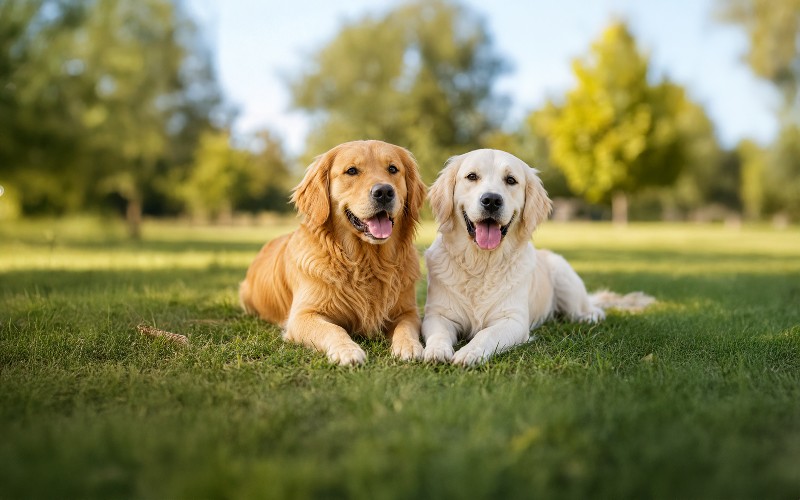
Understanding Your Dog’s Development: 9 Questions Pet Parents Often Ask
Sexual maturity, heat cycles, and managing intact dogs may seem straightforward, but there's more to it than you might think. It’s not only about the choice of spaying or neutering but also involves a range of aspects related to development, hormones, and everyday life together.There are no universal rules: every dog is an individual, and every decision should be evaluated as a whole, considering health, behavior, and lifestyle. So, what are the key things to know?
FEMALES
Female dogs, unlike males, go through heat cycles during their lives.
When can the first heat start?
It depends greatly on the breed and, in particular, the size of the dog. Small breed dogs tend to develop earlier than large breed dogs. In general:
- Small size between 5–6 months
- Medium size between 6–8 months
- Large size between 10–18 months
The duration can vary from 14 to 21 days.
One important thing to know is that the heat cycle is divided into 4 phases:
- Proestrus (when bleeding occurs)
- Estrus (when the female accepts the male, the period requiring the most attention)
- Diestrus (the heat cycle has ended but the uterus prepares for a possible pregnancy; this is when pseudopregnancies may occur)
- Anestrus (resting period)
Pseudopregnancy is a condition in which the female dog’s body, due to a hormonal imbalance, believes it is pregnant and shows symptoms like a real pregnancy. One of the most recognizable signs is the instinct to care for objects such as stuffed animals or toys, treating them as if they were puppies.
How often do they go into heat?
On average, twice a year, approximately every 6 months.
However, frequency can vary depending on breed, age, and the individual dog. Some females may have more spaced-out cycles.
As a Pet Parent, should I take precautions during the heat cycle?
Absolutely yes!
When we have a female in heat, it is important to follow some rules:
- Avoid contact with intact males, even in a home environment
- Carefully evaluate cohabitation with neutered males
- Avoid letting her off leash in public spaces and avoid dog parks
MALES
Management is different in males because they do not have a cycle like females, but they also go through a phase of sexual maturity.
When does a male mature?
Again, this depends greatly on the breed and therefore the size of the dog. In general:
- Small and medium size between 6–12 months;
- Large size between 12–24 months;
No, unlike females, they do not experience heat cycles and are fertile all year round.
Should I pay attention to anything?
Yes, especially when managing them around females in heat.
Being close to a female in heat can lead to noticeable behavioral changes, such as:
- Reduced appetite
- More frequent vocalizations
- Restlessness
- Escape attempts to reach the female
There is no single answer that applies to all dogs.
Today, recommendations depend on several factors, including size, breed predispositions, sex, behavior, and overall health status.
The decision should always be made together with your veterinarian, evaluating the benefits and possible risks for the specific individual dog.