- Buy now
- Promotions
- Pet food
- Pet care
- Company
- The Company
- Why Farmina?
- Farmina Scientific Research
- Farmina Trainer Club
- Farmina Shelter Progam
- Farmina Breeder Club
- Farmina Groomer Club
- Farmina Vet Club
- Technology and Controls
- Farmina Genius Support
- Behind our Natural choice
- The Raw Materials
- Farmina Satisfaction Guarantee
- Cruelty Free Research
- i 5 parametri della salute
- Farmina Vet Life Wet Food
- Natural & Delicious
- Natural & Delicious Grain Free Wet Food
- VetLife - Nutrition Consultancy
- Natural & Delicious wet food
- Natural & Delicious wet food
- N&D Quinoa canine Neutered formulas
- Your nutritional company
- Farmina Genius Rewards
- Privacy policy
- Vetlife Bites
- Farmina Genius Club
- Farmina Genius Center Club
- Buy now
- Promotions
- Pet food
- Pet care
- Company
- The Company
- Why Farmina?
- Farmina Scientific Research
- Farmina Trainer Club
- Farmina Shelter Progam
- Farmina Breeder Club
- Farmina Groomer Club
- Farmina Vet Club
- Technology and Controls
- Farmina Genius Support
- Behind our Natural choice
- The Raw Materials
- Farmina Satisfaction Guarantee
- Cruelty Free Research
- i 5 parametri della salute
- Farmina Vet Life Wet Food
- Natural & Delicious
- Natural & Delicious Grain Free Wet Food
- VetLife - Nutrition Consultancy
- Natural & Delicious wet food
- Natural & Delicious wet food
- N&D Quinoa canine Neutered formulas
- Your nutritional company
- Farmina Genius Rewards
- Privacy policy
- Vetlife Bites
- Farmina Genius Club
- Farmina Genius Center Club
- my account
- Cart
Genius AI
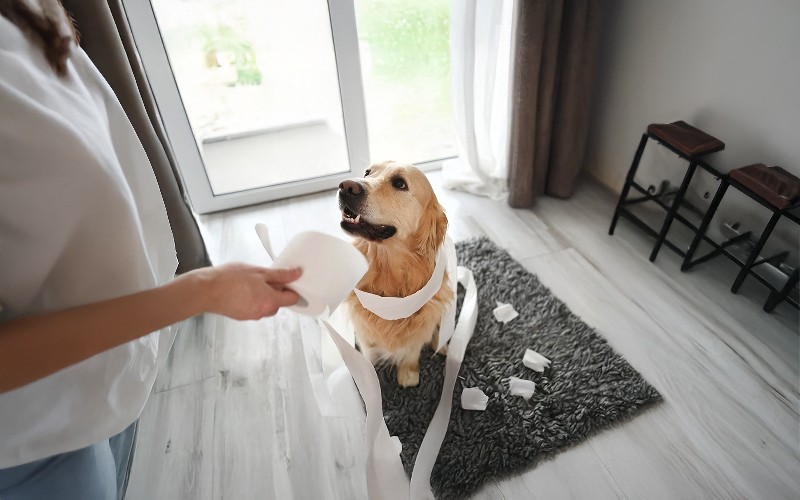
House Training Done Right
Teaching your pets where to relieve themselves is essential to respect their ethological and physical needs. Whether you have a puppy or a kitten, establishing proper habits early helps prevent accidents and long-term behavioral problems.House training your puppy
Puppies begin eliminating independently between the third and fourth week of life, but until about four to six months of age, they need to go more frequently because their muscles and sphincter control are not fully developed.
How long can a puppy hold it?
A puppy can usually hold it for up to three hours and will need to go more often after eating, playing, or sleeping. It is therefore important to plan walks around these natural rhythms. Not every outing needs to be long, but each one should help teach your puppy to go outside.
If accidents happen indoors, punishment is ineffective and unnecessary. They are a normal part of the learning process, and a redirection to the proper location is far more effective.
Puppy Pads: use with caution!
Puppy pads may seem like a convenient solution, especially for very young puppies, but they often create long-term problems. While managing elimination in the early months can be challenging, establishing a proper routine will help prevent future issues. Pads can teach dogs to relieve themselves indoors, a habit that may continue into adulthood, and they don’t respect their natural ethology, which predisposes them to eliminate outside, away from their living space.
House training your kitten
Guiding a kitten to use the litter box correctly is essential to respect their ethological needs. Luckily, burying waste is instinctive for cats, so with the right setup, most kittens learn quickly.
Up to 4-5 months
- Use an open litter box with low sides to make access easier.
- Place it a few meters away from other resources (food, water, bed, scratching post, toys).
- Choose a litter box that is appropriately sized for the cat’s adult size.
- It can be either open or covered.
- It is recommended to have one more litter box than the number of cats in the household.
- Position it away from resources such as bowls, scratching posts, beds, and toys.
Puppies and kittens thrive when routines are tailored to their age and developmental stage. Consistency and positive reinforcement are far more effective than punishment, and providing the proper setup forms the foundation of a clean and peaceful home.
House training is just the first step in helping your pets thrive. By establishing consistent routines and providing the right resources, you can create a calm, stress-free home.
Supporting your pet beyond training
While you focus on training your pet, we provide expert guidance on their nutritional needs. Our personalized nutritional plans help you find the perfect food and portion sizes for each of your pets, supporting their overall health and well-being.
Request a Free Nutritional Plan!