- Buy now
- Promotions
- Pet food
- Pet care
- Company
- The Company
- Why Farmina?
- Farmina Scientific Research
- Farmina Trainer Club
- Farmina Shelter Progam
- Farmina Breeder Club
- Farmina Groomer Club
- Farmina Vet Club
- Technology and Controls
- Behind our Natural choice
- Farmina Genius Support
- The Raw Materials
- Cruelty Free Research
- Our history
- Why Farmina
- i 5 parametri della salute
- Farmina Vet Life Wet Food
- Natural & Delicious
- Backed by science
- Vet Life Special Care
- Natural & Delicious Grain Free Wet Food
- Made in Our Kitchen
- Farmina Satisfaction Guarantee
- VetLife - Nutrition Consultancy
- Natural & Delicious wet food
- Natural & Delicious wet food
- Privacy policy
- Farmina Genius Rewards
- Vetlife Bites
- Farmina Genius Club
- Farmina Genius Center Club
- N&D Quinoa canine Neutered formulas
- Your nutritional company
- Buy now
- Promotions
- Pet food
- Pet care
- Company
- The Company
- Why Farmina?
- Farmina Scientific Research
- Farmina Trainer Club
- Farmina Shelter Progam
- Farmina Breeder Club
- Farmina Groomer Club
- Farmina Vet Club
- Technology and Controls
- Behind our Natural choice
- Farmina Genius Support
- The Raw Materials
- Cruelty Free Research
- Our history
- Why Farmina
- i 5 parametri della salute
- Farmina Vet Life Wet Food
- Natural & Delicious
- Backed by science
- Vet Life Special Care
- Natural & Delicious Grain Free Wet Food
- Made in Our Kitchen
- Farmina Satisfaction Guarantee
- VetLife - Nutrition Consultancy
- Natural & Delicious wet food
- Natural & Delicious wet food
- Privacy policy
- Farmina Genius Rewards
- Vetlife Bites
- Farmina Genius Club
- Farmina Genius Center Club
- N&D Quinoa canine Neutered formulas
- Your nutritional company
- my account
- Cart
Genius AI
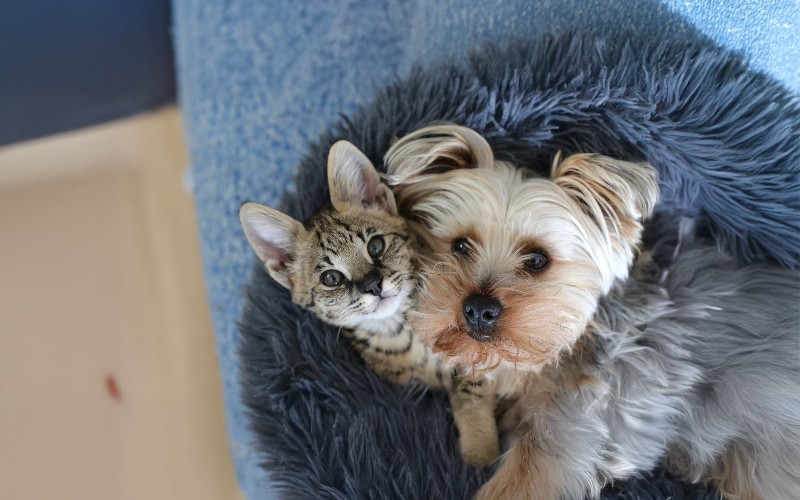
Dog or Cat? How to Choose the Perfect Breed for You
Choosing the right pet means finding a companion that fits your lifestyle, daily routine, and the time you can dedicate to caring for them. Taking a moment to think before welcoming a new friend into your home is key to ensuring both your well-being and a happy, lasting relationship.As mentioned in our previous article, every animal has specific needs and offers a different type of companionship.
- Cat = an animal often seen as more independent, but still in need of interaction, play and enriching activities to stay mentally and physically healthy
- Dog = an animal that generally requires daily commitment, including regular outdoor time, shared activities and consistent routines
How to Choose a Dog Breed
If you have decided to get a dog, it is useful to carefully analyze your needs and lifestyle. Answering the following questions can help you choose the breed that best suits you:
- Is this your first dog?
- Can you handle a large breed?
- Are you willing to take long and frequent walks?
- Do you have enough time to dedicate to training and socialization?
- Are you willing to dedicate time and budget to grooming?
- Do you feel capable of managing a dog with specific skills, such as working dog or guarding dogs?
- Do you have children or other pets that the dog will need to accept?
- Do you live in an area with a climate that could affect the well-being of certain breeds?
- Herding Dogs
Intelligent, energetic, need physical and mental stimulation, best for active owners.
(e.g., Border Collie, German Shepherd, Australian Shepherd)
- Hunting Dogs
Curious, active, instinct-driven; ideal for energetic, outdoorsy owners.
(e.g., Beagle, English Pointer, Irish Setter)
- Companion Dogs
Affectionate, adaptable, need moderate exercise; suited to calm lifestyles.
(e.g., Poodle, Chihuahua, Cavalier King Charles Spaniel)
- Guard Dogs
Protective, strong-willed, need experienced owners and structured training.
(e.g., Rottweiler, Dobermann, Boxer)
- Nordic Breeds
Independent, energetic, stubborn; require active, patient, experienced owners.
(e.g., Siberian Husky, Alaskan Malamute, Samoyed)
Even with cats, it is important to consider which type best suits your environment and habits. Here are some helpful questions:
- Do you want a sociable and interactive cat?
- Do you have enough space for a very active cat?
- Can you dedicate time to grooming?
- Do you have children or other animals at home?
- Can you provide a rich and stimulating home environment?
- Do you prefer a quieter cat or a more vocal one?
- Do you want a smaller-sized cat?
- More active cats
These cats are generally very energetic, curious and intelligent, and they need daily playtime or activities that stimulate their minds, such as problem-solving games, climbing opportunities and frequent interaction with their human.
(Bengal, Siamese, Oriental Shorthair and Abyssinian)
- Calmer cats
They tend to have a more relaxed and easygoing temperament. These cats enjoy calm environments, alternating long periods of rest with short play sessions, and they adapt well to quieter home settings.
(British Shorthair, Ragdoll, Persian or Chartreux)
- Long-haired cats: they require more demanding daily care, with regular and accurate brushing to prevent tangles, the buildup of dead hair and potential skin issues.
- Short-haired cats: they generally need simpler management, with less frequent grooming that is still important to keep their coat and skin healthy.
- Hairless cats: despite not having a coat, they need constant attention to skin care, which must be cleaned regularly and protected from cold, heat and direct sunlight.
Deciding between a dog or a cat, and choosing the breed that best suits you, requires careful thought and an honest look at your lifestyle. Every pet brings joy, love, and responsibility: knowing a breed’s needs ahead of time helps you enjoy a happy and harmonious life together.
Before deciding, inform yourself, evaluate the breed’s characteristics, and choose the pet that can thrive best alongside you.